How to Sign a Monthly Commercial Cleaning Contract: Pricing, Add-ons, and Service Frequency Insights from a 322 sq. ft. Office Case
How to sign a monthly fixed-fee commercial cleaning contract? Using a 322 sq. ft. office as a case study, this guide breaks down the pricing differences between area-based and hourly billing, defines the scope boundaries for add-ons and exclusions, and details service frequency and staffing requirements. It also includes 12 acceptance criteria, rework protocols, and a pre-signing verification checklist.

A monthly flat-fee contract for commercial cleaning is essentially an agreement that converts uncertain services into guaranteed deliverables. When signing such contracts, business owners most often encounter these issues: discrepancies between quoted prices and final settlements, vague service frequency terms, and undefined boundaries for additional charges. Using a real-world case of a 322 sqm office as a starting point, we break down the three core clauses of a flat-fee contract—pricing structure, additional work provisions, and service frequency—to show how to draft a reliable agreement.
Pricing Model: Lump Sum by Area or Time-Based Billing
Commercial cleaning pricing typically follows two models: fixed-area contracts and hourly billing. Fixed-area contracts involve agreeing on a monthly rate per square meter, multiplied by the total service area to determine the monthly fee; costs remain constant regardless of actual labor hours used. Hourly billing charges based on the actual hours cleaners work onsite, making it ideal for spaces with fluctuating areas or irregular usage patterns.
The 322㎡ office opted for a fixed-price model based on area. Prior to signing, we employed a three-stage pricing approach: first, we measured the area using a laser distance meter with an error margin within 2%; second, we classified the space by pollution level—the office area falls under the low-to-moderate category, with floors primarily affected by dust and footprints, while restrooms and pantry areas have light grease buildup; third, we issued a written quote detailing the area, unit price, headcount, man-hours, add-ons, and exclusions. The final settlement price ranged between 15 and 24 CNY/㎡/month, depending on service frequency and whether additional services like waste removal are included.
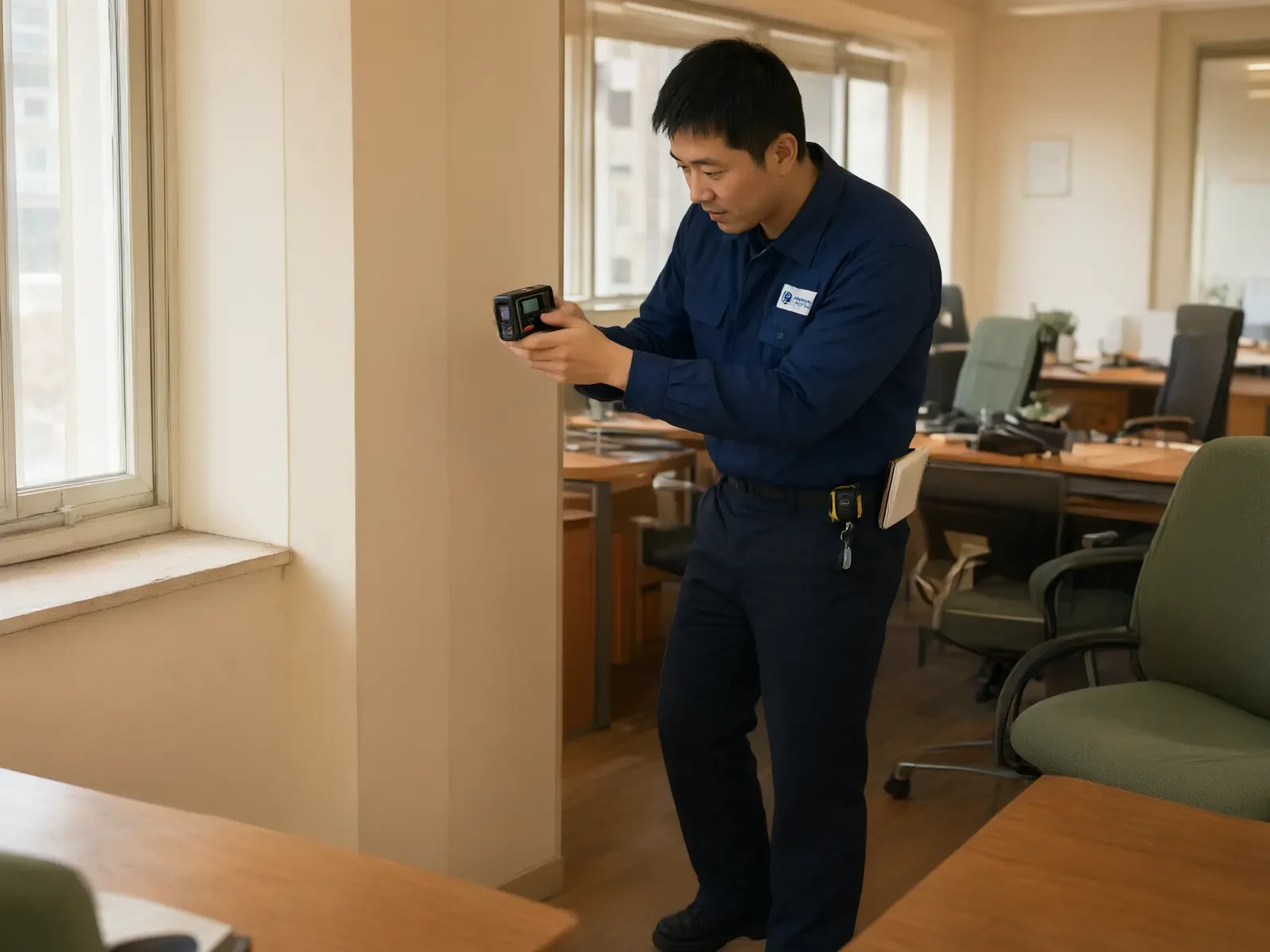
Fixed-price contracts by area offer business owners predictable costs. Monthly budgets remain locked, preventing unexpected expenses from minor variations like an extra two hours of cleaning. For service providers, this model demands accurate assessment of square footage and contamination levels; on-site surveys during the quoting phase are non-negotiable. Between 2024 and 2025, we issued 428 written quotes, with 98.6% settled at the original price without any mid-contract adjustments. This demonstrates that with thorough initial surveys, the variance in fixed pricing can be minimized to negligible levels.
Change Order Agreement: Clearly Define Scope in the Contract
Disputes in lump-sum contracts most commonly arise from change orders. What was agreed as "all-inclusive" at signing often becomes "additional charges apply" during execution. To prevent this, clearly define the triggers and pricing standards for change orders in the contract.
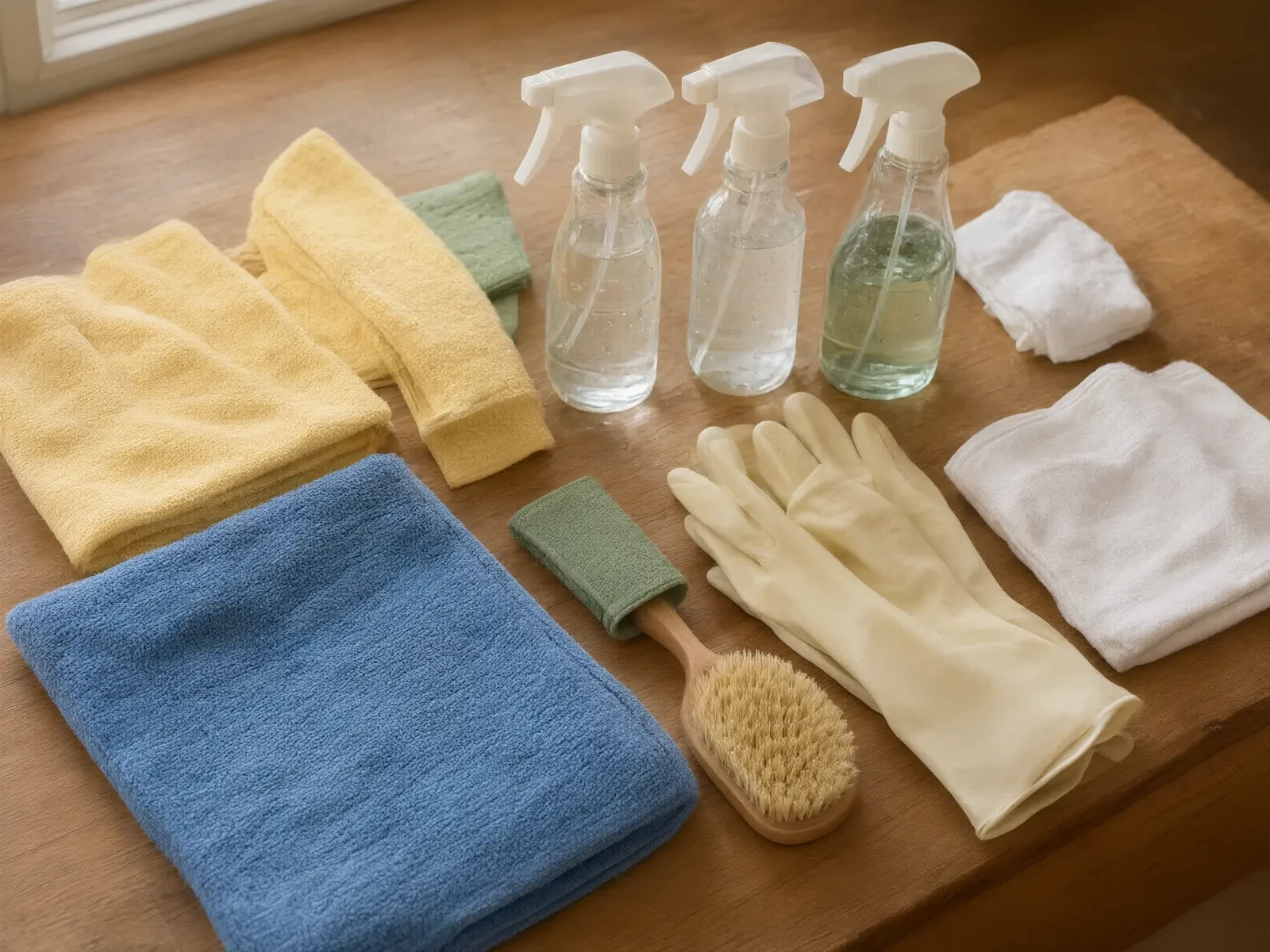
Taking a 322㎡ office as an example, the contract's all-inclusive scope covers: cleaning of office floor areas, wiping of desks, restroom sanitation, tidying of kitchen/break areas, and waste removal. Excluded items include exterior window washing, deep carpet cleaning, appliance cleaning, and post-construction cleanup. If the business owner requires cleaning of wall-mounted air conditioners or range hoods during the contract period—both falling under excluded services—they will be billed separately at 120-180 yuan per unit for wall-mounted ACs and 180-280 yuan per unit for range hoods.
Another frequently overlooked add-on is the holiday surcharge and excess distance transportation fee. Standard quotes typically state "excluding holiday surcharge and transportation fees for distances exceeding 30 km." If your company requires these services, negotiate whether to include them in the lump-sum total or establish a clear per-trip rate at signing. Every line item on the written quote must have an explanation; agreeing not to increase prices after signing is a fundamental principle of lump-sum contracts.
Service Frequency and Staffing: Number of weekly visits and on-site staff count
Service frequency directly affects the lump-sum unit price and cleaning quality. For commercial office cleaning, a common frequency is 2–3 times per week. In the 322 sqm case, we selected 3 times per week. This frequency is based on space usage intensity: in an office of 322 sqm with approximately 40–50 staff present daily, foot traffic accumulates quickly and restrooms are used frequently. Cleaning 3 times per week maintains good hygiene.
The contract should specify dedicated staff assigned to specific roles. In the 322㎡ case study, the service provider assigned a fixed cleaning team that remained consistent throughout the year, with no instances of last-minute substitutions or tardiness. The value of dedicated staffing lies in cleaners' familiarity with the space layout and key cleaning areas, resulting in higher efficiency compared to frequent personnel changes. The contract must also state the number of staff per visit and the duration of each session. Typically, for 322㎡, 1-2 staff members are assigned for 3-4 hours per visit, depending on the level of contamination and the enterprise's cleaning standards.

If service frequency and staffing levels are defined in the contract, any temporary increase in service requests by the enterprise should have a pre-agreed surcharge rate. A common approach is to bill based on hourly rates, with unit prices aligned with the 35-45 CNY/hour range for standard cleaning services, as specified in the contract appendix.
Acceptance Criteria and Rework Process
A lump-sum contract cannot focus solely on price and frequency; acceptance criteria must also be quantified. We enforce 12 acceptance items, covering: bathroom (5 items: no oil film on countertops, no limescale in sinks, no stains inside/outside toilets, no odors from drains, no water marks on mirrors), glass windows (3 items: both sides clear without scratches, no dust in window tracks, no surface dust on screens), and floors/walls (4 items: no water stains or hair, no dust on baseboards, no debris under furniture, no fingerprints on switch panels). For commercial cleaning, additional specific criteria for office areas can be added, such as returning desktop items to their proper places and ensuring documents are not disturbed.

The rework mechanism serves as the final safeguard for acceptance. Per the contract, if a project fails inspection in the same area, it will be reworked free of charge within 7 days. Data from 2024 to 2025 shows that orders requiring rework accounted for 1.8% of total completed projects, with an average turnaround time of 36 hours at no additional cost. This low rate indicates that when work standards are properly followed, rework is rare—but including this clause in the contract gives the enterprise a critical lever for acceptance.
Pre-Signature Verification Checklist
Before signing a commercial cleaning lump-sum contract, business owners must confirm four key items: whether the quote is based on an on-site measurement with unit prices locked in writing; whether additional charges and exclusions are itemized; whether service frequency, staffing levels, and start times are explicitly stated in the contract; and whether acceptance criteria and rework mechanisms include quantifiable terms. With all four elements in place, a lump-sum contract can truly deliver "no price increases after signing and no compromise on service quality."
Key Data
- The 322㎡ office was selected for a lump-sum pricing model based on area.
- Before signing, we use a three-stage pricing method: first, we measure the area with a laser distance meter, keeping the error within 2%.
- The final unit price falls within the range of 15–24 CNY/㎡/month, determined by service frequency and whether additional services like waste removal are included.
- Between 2024 and 2025, of the 428 written quotes we issued, 98.6% were settled at the original price with no mid-project price increases.
About the Author
Lin Yu Service Standards Supervisor
- Senior Indoor Cleaning and Maintenance Specialist
- Pre-employment Training Instructor with 400+ hours of teaching experience
- Manage skill assessments for 26 cleaners
Responsible for cleaning workflows, detergent selection, and acceptance criteria for both residential and commercial services. Data sourced from our internal operations manual.
Data Definition:Price range and labor hours on this page are based on actual settlement records from YuanYou Cleaning during the same period, calculated by building area or actual hours worked. Excludes holiday surcharges and transportation fees exceeding 30 km. Final quote subject to written estimate after on-site inspection.Statistics Interval2024 to 12, 1-2025, samples from26Actual work records of registered cleaning staff.